
The introduction of a new character into your favorite competitive game always triggers a massive shift in the global player meta. For many decades, players relied on a static set of strategies and hero pools that rarely changed throughout a single season.
We are now entering a breathtaking era where developers release complex heroes with multifaceted ability kits almost every few months. This evolution means that you must constantly adapt your playstyle to understand these new mechanical interactions and tactical possibilities.
Modern heroes often feature high-skill ceilings that reward players who spend time practicing specific combos and positioning strategies in the lab. By mastering new hero abilities quickly, you can significantly increase your competitive edge and catch your opponents completely off guard.
This article explores the essential pillars of skill acquisition and how you can dominate the ladder with the latest roster additions. You will discover the practical secrets that turn a confusing set of buttons into a powerful engine for consistent and dominant victories.
Let us explore the best path toward a more rewarding gaming life through the power of rapid character mastery and mechanical expertise.
Analyzing The Core Mechanics Of New Abilities
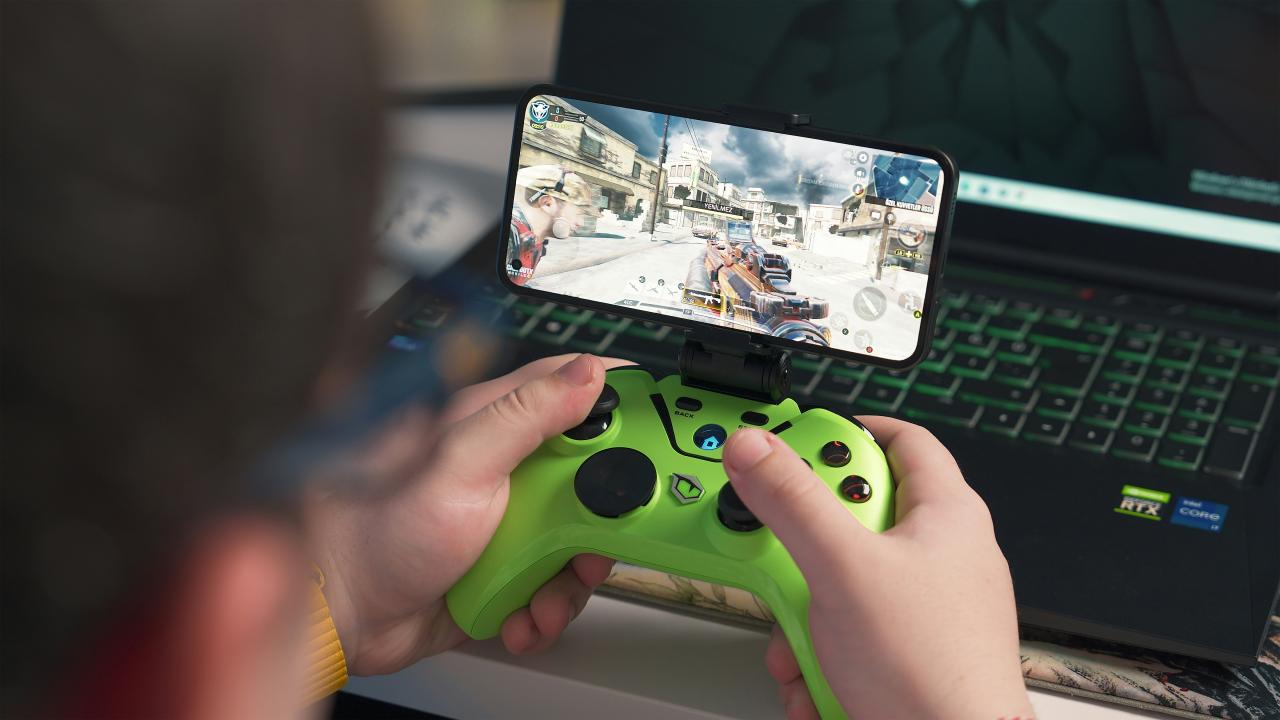
The first step in mastering a new hero involves a deep dive into the specific numbers and mechanics of their kit. In the past, players would simply jump into a match and press buttons randomly to see what happened during a fight. Now, elite competitors head straight to the practice range to test damage falloff, projectile speeds, and the exact area of effect.
Understanding the “active frames” and “cooldown cycles” of your abilities allows you to manage your resources much more effectively during intense combat. It is a fundamental shift toward “data-driven play” where you use specific knowledge to minimize risks and maximize your impact on the game.
A. Testing the maximum range of every ability to ensure you can hit targets without putting yourself in a dangerous position.
B. Evaluating the “startup” and “recovery” animations to identify the exact windows where you are most vulnerable to enemy counter-attacks.
C. Checking for “crowd control” effects like stuns or slows that can be used to set up kills for your teammates.
D. Investigating how an ability interacts with the map environment, such as bouncing off walls or passing through specific types of cover.
The biggest problem for many players is the “visual confusion” that comes with flashy new effects and unfamiliar character animations. You solve this “sensory overload” by focusing on the “sound cues” and “silhouette changes” that indicate when an ability is being used.
Think of a new hero’s kit as a new musical instrument; you need to learn the basic notes before you can play a solo. When you master the core mechanics, you move past the button-mashing phase and start playing with the surgical precision of a veteran.
Executing Advanced Combat Combos And Synergies
Once you understand what the individual buttons do, you must learn how to chain them together for maximum efficiency and damage. In the past, abilities were often independent of each other, but modern hero design focuses heavily on “ability flow” and internal synergies.
Now, the most powerful characters have combos where one skill enhances the effect of the next, creating a devastating sequence of events.
Learning the correct “rotation” of your skills ensures that you aren’t wasting potential damage or leaving your targets with a chance to escape. It is a strategic move to “optimize your output” by building muscle memory for the most effective sequences in every situation.
A. Practicing “animation canceling” to weave basic attacks between your abilities, which significantly increases your total damage per second.
B. Identifying the “ultimate set-up” combo that allows you to trap multiple enemies and secure a team-wipe with a single button.
C. Learning the “escape sequence” that combines your movement abilities to get out of a bad situation and stay alive longer.
D. Coordinating with your team to see which other heroes have abilities that “stack” with your new skills for even better results.
The challenge for many is the “execution pressure” that causes them to mess up their combos when they are under fire. You solve this “panic barrier” by repeating your combos in the practice range until they become a subconscious reaction that requires no thought.
Think of your ability rotation as a choreographed dance; the more you practice, the more natural and beautiful it looks on the stage. When you master your combos, you become a lethal threat that the enemy team must respect and fear in every single engagement.
Adapting Positioning Based On Hero Role
Every new hero has a specific “effective range” and role that determines where they should stand during a team fight. In the past, players often stood in the same spots regardless of who they were playing, leading to quick and avoidable deaths.
Now, modern competitive play requires you to adjust your positioning constantly based on whether you are a tank, healer, or damage dealer. A new hero might have high mobility that encourages “flanking” or long-range skills that require you to stay far back in the “backline.”
It is a proactive way to “insure your survival” by using the map geometry and your hero’s kit to stay safe.
A. Identifying the “high ground” positions that give your new hero a better line of sight and an advantage over grounded enemies.
B. Learning how to “kite” enemies by using your movement skills to stay just out of their reach while still dealing damage.
C. Utilizing natural cover and corners to “peak” and use your abilities without exposing your entire body to incoming enemy fire.
D. Tracking the positions of your teammates to ensure you are close enough to receive healing but far enough to avoid “area of effect” ultimates.
Many players struggle with “positional awareness” and find themselves caught in the open with no way to escape the enemy team. You solve this “awareness gap” by constantly asking yourself, “can the enemy hit me from here?” before you commit to an attack.
Think of your position as your “health bar”; the better your spot, the longer you will survive to help your team win. When you optimize your positioning, you turn a fragile new hero into a resilient and annoying obstacle that the enemy cannot easily remove.
Countering The Enemy With Skill Knowledge
True mastery of a hero kit involves knowing how to beat them just as much as knowing how to play them. In the past, people would complain that a new hero was “overpowered” because they didn’t understand the specific weaknesses hidden in the kit.
Now, smart players analyze the cooldowns and limitations of new skills to find the perfect windows for a counter-attack or a push. Every ability has a “cooldown” where the hero is vulnerable, and every “buff” has a duration that you can wait out safely.
It is a powerful way to “turn the tables” by using the enemy’s own skills as a signal for when you should strike.
A. Tracking the “cooldown” of the enemy’s escape ability so you know exactly when they are trapped and easy to kill.
B. Learning which abilities can “interrupt” or “negate” the new hero’s ultimate, such as stuns, silences, or physical barriers and shields.
C. Identifying the “range weakness” of the new character, such as a hero that is strong at long range but helpless in close combat.
D. Baiting out the enemy’s most powerful skill before you commit your own resources to ensure you win the trade and the fight.
The problem for many is the “frustration trap” that occurs when they lose to a new hero and immediately blame the game’s balance. You solve this “negativity bias” by taking five minutes to read the new hero’s ability descriptions after a loss to find the counter-play.
Think of every new hero as a puzzle; once you find the missing piece, the solution becomes obvious and easy to execute every time. When you understand the counters, you gain a sense of control and confidence that allows you to dominate even the newest and strongest characters.
Conclusion

Strategic mastery orchestration creates true sovereignty by replacing chaotic inputs with precise execution engines. Assigning missions to every button press helps prevent mechanical errors from dictating your tactical strategy.
This disciplined approach ensures your muscle memory remains an efficient and powerful competitive asset. Auditing your combos and testing effective ranges allows you to reclaim operational control.
Strategic positioning ensures your structural gameplay acts as a fortress against unpredictable enemy shifts. This logical framework provides the stability needed for a high-performance lifestyle. Building for the future requires executing your training plans with unwavering and total confidence.
Sophisticated skill systems transform your hero mastery into a permanent freedom engine. Long-term excellence starts with the structural decisions you make right now. The future of architecture is defined by the systems you build.