The landscape of virtual reality is currently undergoing its most significant shift since the technology first entered the consumer market. For many decades, fans dreamed of stepping inside their favorite digital worlds and interacting with them as if they were real.
We are now entering a breathtaking era where high-fidelity headsets and advanced haptic feedback systems redefine the meaning of true immersion. This evolution means that the barrier between the physical and digital realms is becoming thinner and more transparent every single day.
Modern VR technology focuses on creating sensory experiences that go far beyond simple visual tricks to engage your entire body and mind. By staying informed about these upcoming hardware and software shifts, you can significantly enhance your appreciation for the future of entertainment.
This article explores the essential pillars of the next generation of virtual reality and how these trends will change your life. You will discover the practical secrets that turn a standard gaming session into a powerful journey of total and absolute sensory wonder.
Advanced Eye Tracking And Foveated Rendering
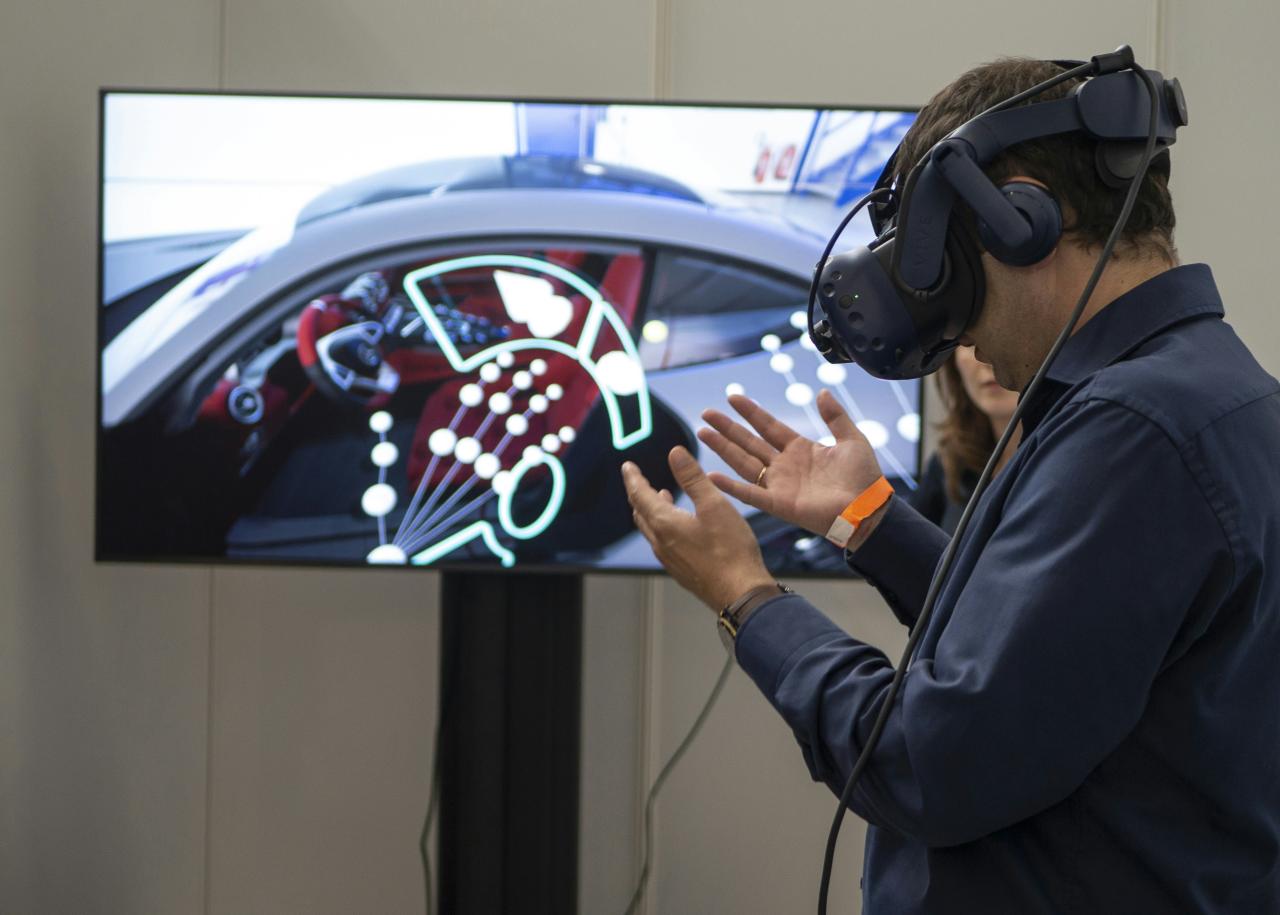
The foundation of the next generation of VR clarity lies in how the headset understands exactly where your eyes are looking. In the past, headsets had to render the entire screen at maximum resolution, which placed an enormous and unnecessary load on the computer.
Now, advanced eye-tracking sensors allow for “foveated rendering,” which only sharpens the image at the specific point of your current visual focus.
This technology mimics how human vision works in the real world while significantly boosting the performance and frame rate of the game. It is a fundamental shift toward “efficient realism” where your hardware works smarter to provide a much more beautiful and fluid experience.
A. Utilizing high-speed infrared cameras to track pupil movement with millisecond precision for instantaneous and sharp focus adjustments in the world.
B. Reducing the graphical load on your GPU by blurring the peripheral areas that your eyes are not currently actively seeing.
C. Implementing social eye contact in multiplayer environments, allowing your digital avatar to look other players in the eye naturally.
D. Using eye-tracking data to navigate menus and select items just by looking at them, which eliminates the need for complex controllers.
The biggest problem for many VR users is the “blurriness” that occurs when they move their eyes instead of their entire head. You solve this “clarity gap” by choosing headsets that prioritize foveated rendering to ensure your center of vision always stays crystal clear.
Think of your eyes as a high-tech flashlight; the headset should only light up the specific spot where you are pointing your gaze. When you master the nuances of eye-tracking tech, you find that the virtual world feels much more stable and visually stunning.
The Rise Of Full Body Haptic Feedback
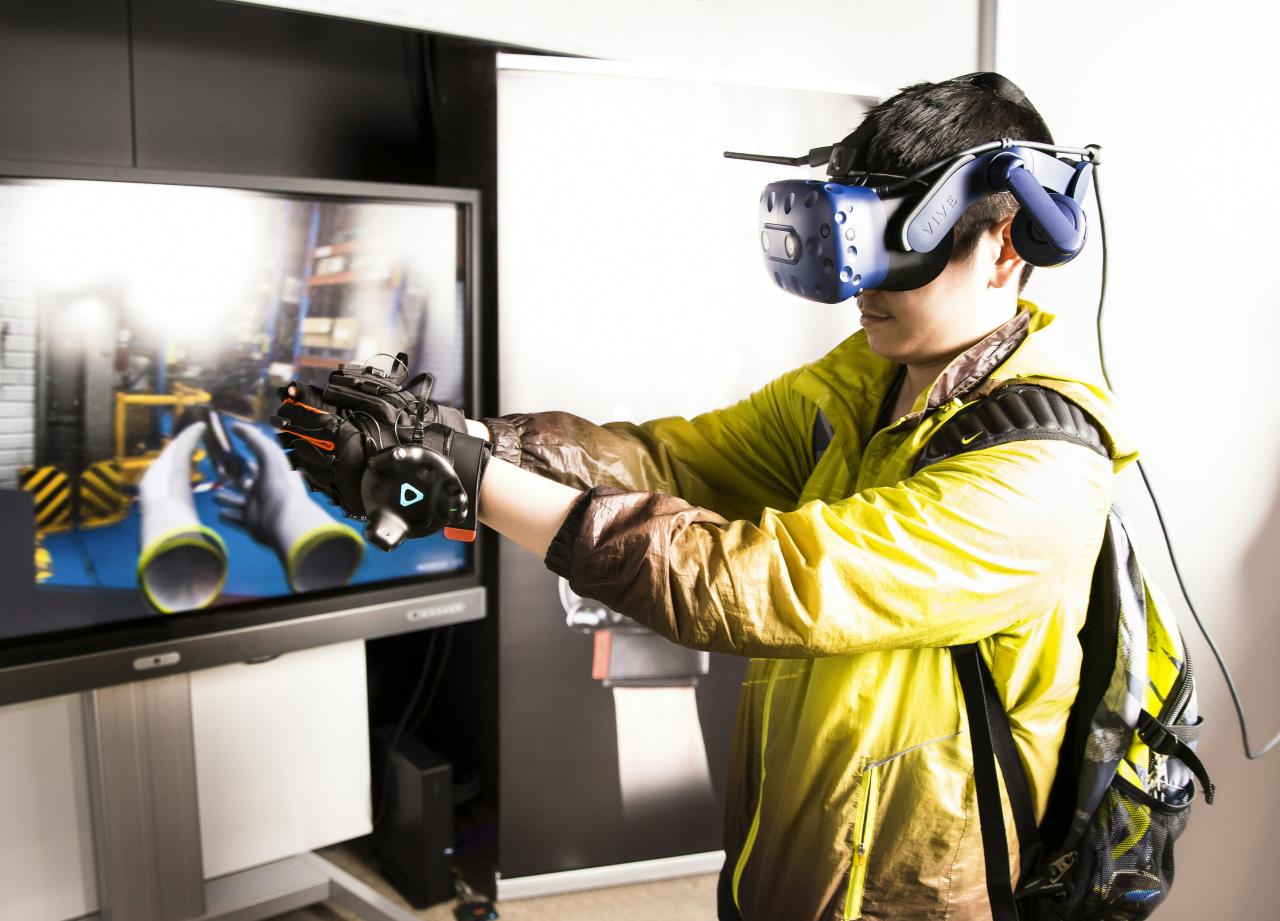
Immersion is no longer just about what you see and hear; it is now about what your entire body feels during play. In the past, haptic feedback was limited to simple vibrations in your hand controllers that often felt disconnected from the game world.
Now, developers are creating haptic suits and gloves that use tiny motors or electrical pulses to simulate the sensation of touch. These devices allow you to feel the impact of a raindrop, the kick of a weapon, or the texture of a virtual wall.
A. Wearing lightweight haptic vests that provide directional feedback, allowing you to feel exactly where an enemy or object is touching you.
B. Using specialized gloves that provide resistance to your fingers, making virtual objects feel solid and heavy when you try to grab them.
C. Implementing haptic floor mats or shoes that simulate different terrains like sand, water, or crunchy snow beneath your virtual feet.
D. Syncing haptic devices with in-game physics to ensure that every vibration matches the intensity and frequency of the digital event perfectly.
The challenge for many is the “gear fatigue” that comes from wearing multiple layers of heavy and hot technology during a long session. You solve this “discomfort barrier” by looking for breathable, wireless haptic gear that integrates seamlessly with your existing VR headset and setup.
Think of a haptic suit as a second skin; it should enhance your senses without making you feel trapped or overly restricted. When you embrace full-body haptics, you stop playing the game and start living inside the most intense and realistic simulations.
Wireless Freedom And Cloud Streaming Integration
The future of high-end VR is moving away from the thick cables that used to tether players to their expensive and bulky computers. In the past, you had to worry about tripping over wires or tangling yourself during a fast-paced 360-degree combat or exploration sequence.
Now, high-speed Wi-Fi and specialized wireless bridges allow for near-perfect data transmission without the need for a physical and annoying connection.
Furthermore, cloud streaming technology is beginning to allow mobile headsets to run massive PC-quality games by doing the heavy work elsewhere. It is a proactive way to “unlimit your movement” by giving you the freedom to move naturally in any physical space.
A. Utilizing Wi-Fi 6E or dedicated wireless dongles to transmit high-resolution video data with almost zero noticeable latency for the user.
B. Integrating cloud gaming services to play blockbuster titles on standalone headsets without the need for a high-end local gaming PC.
C. Managing battery life through external power banks or hot-swappable batteries to ensure your wireless sessions can last for several hours.
D. Using “Inside-Out” tracking cameras on the headset to eliminate the need for external base stations and sensors around your room.
Many players struggle with “tracking loss” or lag when they move too far away from their computer or their wireless router. You solve this “connection drop” by setting up a dedicated wireless access point in your gaming room that only handles your VR data.
Think of wireless VR as cutting the umbilical cord; it allows you to finally explore the digital world with total and absolute independence. When you remove the cables, you find that your brain accepts the virtual environment much more quickly and deeply than before.
Sensory Expansion Through Olfactory Tech
One of the newest and most experimental trends in VR involves adding the sense of smell to the digital experience for players. In the past, your nose was the only part of your body that remained firmly planted in the real and physical world.
Now, companies are developing “scent masks” that attach to your headset and release specific aromas based on your current in-game location.
You might smell the salty ocean air while sailing or the scent of pine needles while walking through a deep and ancient forest. It is a move to “complete the sensory loop” by engaging the most powerful sense tied to memory and emotional response.
A. Using replaceable scent cartridges that contain hundreds of different aromas to match the diverse environments found in modern open-world games.
B. Syncing scent release with visual triggers to ensure the aroma hits your nose at the exact moment you enter a new area.
C. Adjusting the intensity of the scents in the software settings to ensure the experience remains pleasant and never becomes too overwhelming.
D. Exploring how specific smells can improve your relaxation or focus during VR meditation or high-intensity competitive and ranked matches.
The problem for many is the “immersion break” that happens when the smell of their actual room clashes with the virtual environment. You solve this “sensory conflict” by using a scent mask to override your local environment with the aromas of the digital world.
Think of your nose as the final key to the lock; once you can smell the world, the illusion becomes perfect. When you add scent to your VR setup, you unlock a level of biological immersion that most people have never experienced.
Conclusion
Strategic immersion orchestration creates true sovereignty by replacing simple screens with high-performance sensory engines. Assigning missions to every technical upgrade helps prevent physical limitations from dictating your virtual strategy.
This disciplined approach ensures your digital presence remains an efficient and powerful experiential asset. Auditing your spatial sensors and monitoring hardware tracking allows you to reclaim operational control.
Strategic equipment selection ensures your immersive ecosystem acts as a fortress against technological shifts. This logical framework provides the stability needed for a high-performance lifestyle. Building for the future requires executing your integration plans with unwavering and total confidence.
Sophisticated virtual systems transform your digital journey into a permanent freedom engine. Long-term excellence starts with the structural decisions you make right now. The future of architecture is defined by the systems you build.