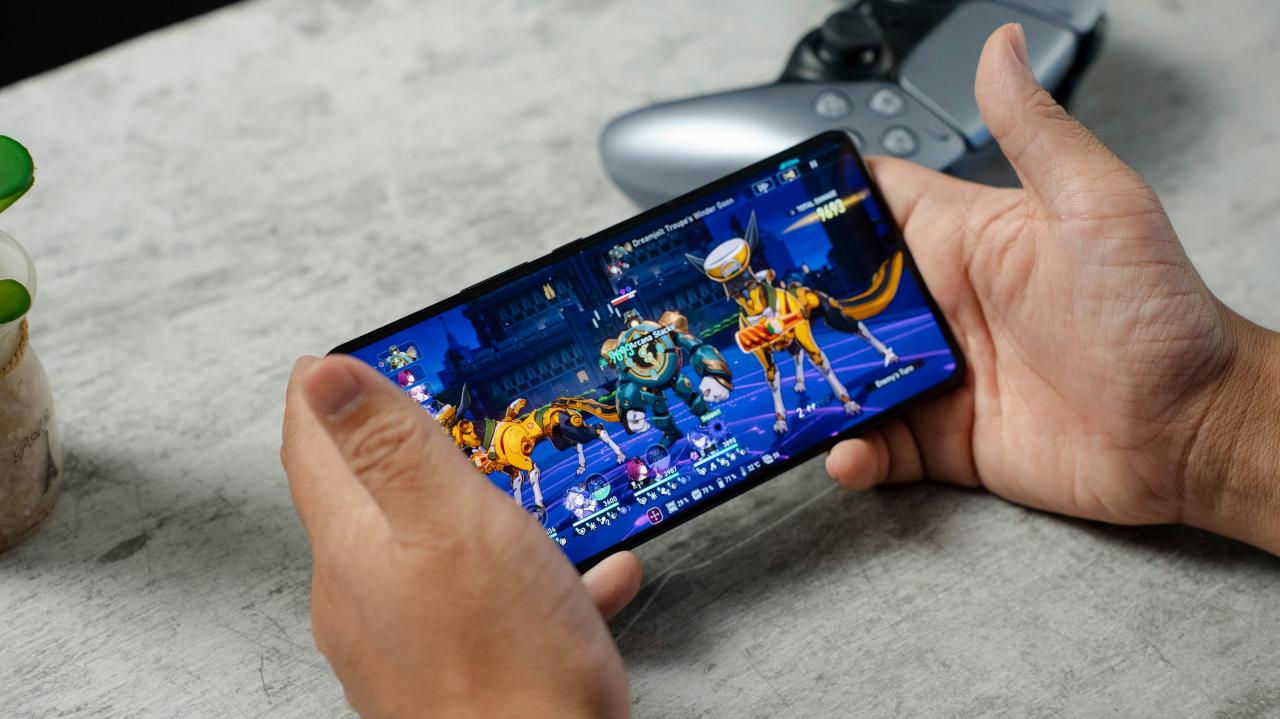
The landscape of interactive entertainment is shifting rapidly from bulky desktop stations to the palms of our hands. For many decades, serious gamers dismissed mobile devices as platforms only suitable for simple puzzles and casual time-wasters.
We are now entering a breathtaking era where smartphones rival the processing power of dedicated home gaming consoles. This evolution means that you can enjoy high-fidelity graphics and complex physics simulations while commuting or relaxing at a park.
Modern mobile hardware utilizes advanced cooling systems and dedicated gaming chips to maintain peak performance during intense sessions. By embracing the latest mobile innovations, you can significantly enhance your competitive edge in global multiplayer arenas.
This article explores the essential pillars of modern mobile gaming technology and how these advancements change the way we play.
You will discover the practical secrets that turn a standard smartphone into a powerful engine for high-end virtual experiences. Let us explore the best path toward a more flexible gaming life through the power of portable technology.
Revolutionary Processing Power And Dedicated Gaming Chips
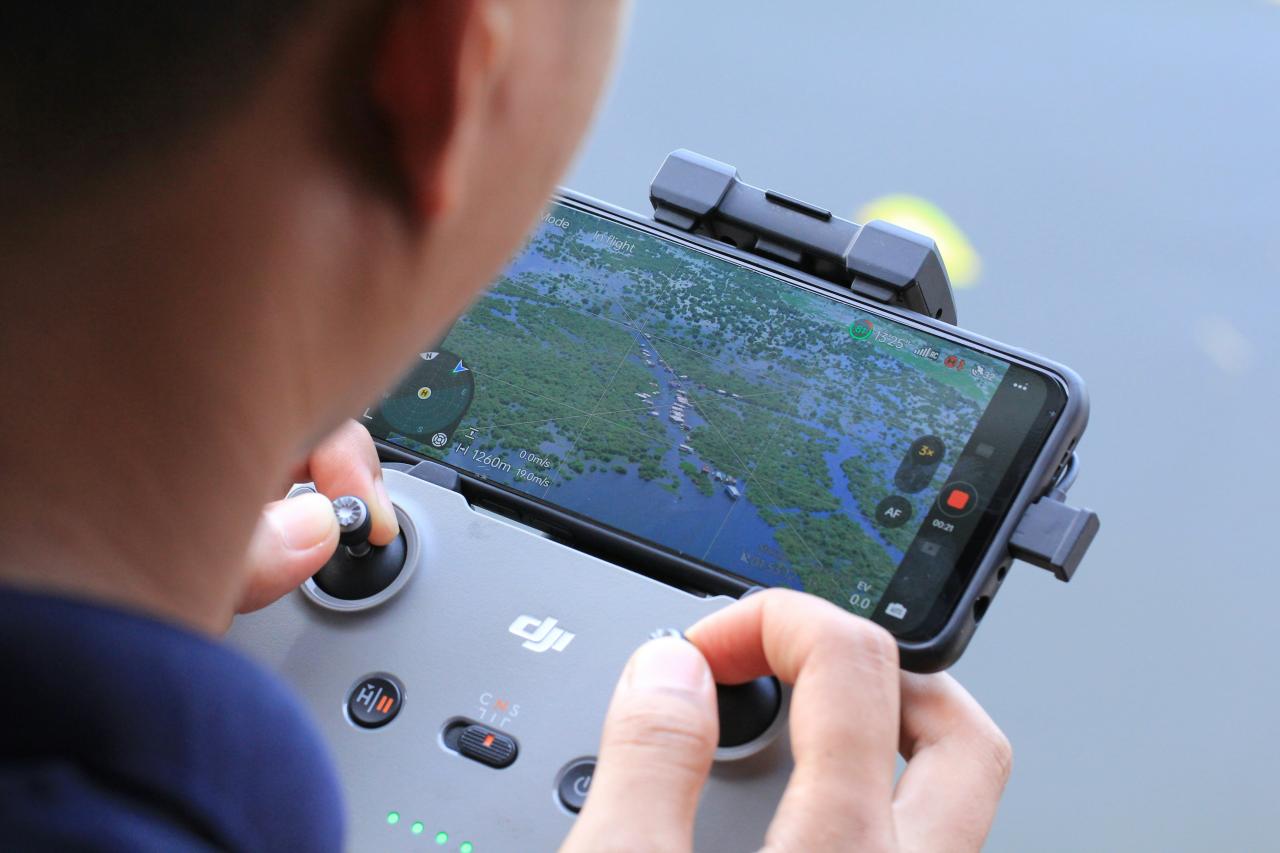
The heart of every modern gaming smartphone lies in its ability to process billions of calculations per second without overheating. In the past, mobile chips struggled to run 3D games for more than ten minutes before slowing down significantly to protect the battery.
Now, manufacturers design specialized “Systems on a Chip” that feature dedicated cores for graphics and artificial intelligence processing.
These chips allow for advanced features like ray tracing and global illumination, which were previously exclusive to expensive gaming computers. It is a fundamental shift toward “desktop-class mobility” where the gap between your phone and your PC continues to shrink every day.
A. Evaluating the clock speeds of the latest mobile processors to ensure they can handle demanding open-world titles without dropping frames.
B. Tracking the efficiency of the manufacturing process, such as 3nm or 4nm nodes, which reduces power consumption and heat generation.
C. Utilizing specialized “Gaming Modes” that prioritize system resources for the active game while suppressing background notifications and updates.
D. Investigating the neural processing units that help optimize game assets in real-time for a smoother and more responsive experience.
The biggest problem for many mobile players is the “performance drop” that happens when a phone gets too hot during a match. You solve this “thermal barrier” by looking for devices with large vapor chambers or external cooling fan attachments.
Think of your phone as a miniature supercar; it needs a great engine, but it also needs an elite cooling system. When you prioritize chips with high thermal stability, you ensure that your frame rate stays smooth from start to finish.
High Refresh Rate Displays And Touch Sensitivity
A powerful processor is useless if your screen cannot keep up with the action or respond to your fast inputs. In the past, standard 60Hz screens created a “motion blur” effect that made it difficult to track fast-moving targets in shooters.
Now, gaming phones feature 120Hz or even 144Hz displays that provide a fluid and crystal-clear image during high-speed movements.
Furthermore, touch sampling rates have increased significantly, meaning the screen detects your fingers hundreds of times per second for instant reactions. It is a strategic move to “eliminate input lag” by creating a seamless connection between your brain and the digital world.
A. Comparing OLED and AMOLED panels to find the best color accuracy and deepest blacks for an immersive visual experience.
B. Testing the peak brightness levels to ensure you can see every detail even when playing outdoors under direct and bright sunlight.
C. Adjusting the “Sensitivity Curves” in your game settings to take full advantage of the high touch sampling rates of your hardware.
D. Checking for HDR certification to experience a wider range of colors and better contrast in modern cinematic mobile games.
The challenge for many is the “battery drain” that occurs when running a screen at its highest refresh rate and brightness. You solve this “energy conflict” by using variable refresh rate settings that drop the speed when you are just looking at menus.
Think of your screen as a window into the game; the clearer and faster it is, the better you can react. When you optimize your display settings, you gain a massive advantage over opponents who are still playing on standard, slower screens.
Advanced Cooling Systems And Ergonomic Design
As mobile games become more demanding, managing the heat generated by the processor has become the top priority for hardware designers. In the past, phones were thin and sleek, but they often became uncomfortably hot to hold after just a few minutes of play.
Now, gaming-specific phones feature internal fans, liquid cooling loops, and even physical “air triggers” on the side of the device. These ergonomic additions allow you to play comfortably for hours without straining your hands or worrying about your hardware melting.
A. Researching vapor chamber technology which spreads heat across a larger surface area to prevent specific “hot spots” on the device.
B. Utilizing physical shoulder buttons or haptic triggers to free up space on the screen and improve your field of vision.
C. Choosing devices with a “center-mounted” motherboard that keeps the heat away from where your hands naturally rest during a match.
D. Investigating side-mounted charging ports that allow you to play and charge simultaneously without a cable getting in your way.
Many players struggle with “hand fatigue” because standard phones are not designed for the complex grips required for competitive mobile gaming. You solve this “ergonomic gap” by using high-quality phone grips or cases that add a bit of bulk and texture to the device.
Think of your phone as a professional tool; it needs to be comfortable to hold if you want to perform at your best. When you invest in a device with a gaming-first design, you protect your hardware and your physical health at the same time.
The Rise Of Cloud Gaming And 5G Connectivity
The future of mobile gaming is not limited to what your phone can process locally thanks to the massive growth of cloud technology. In the past, “streaming” a game meant dealing with constant lag and low-resolution images that were impossible to play competitively.
Now, 5G networks provide the high speeds and low latency required to stream full PC and console games directly to your phone. This allows you to play the latest blockbuster titles without needing a thousand-dollar computer or a dedicated gaming console at home. It is a move to “unlimit the library” by turning every smartphone into a portal to a massive and high-end gaming cloud.
A. Evaluating your local 5G signal strength to ensure you have a stable enough connection for high-bitrate game streaming services.
B. Utilizing dedicated cloud gaming controllers that clip onto your phone to provide a more traditional and precise console-like experience.
C. Monitoring your data usage to ensure that long gaming sessions do not result in unexpected charges from your mobile service provider.
D. Exploring various “Game Pass” style services that allow you to access hundreds of titles through a single monthly cloud subscription.
The problem for many is the “latency anxiety” where even a tiny delay between a button press and the action feels frustrating. You solve this “connection lag” by using 5G or high-speed Wi-Fi 6 networks whenever you decide to play through the cloud.
Think of the cloud as an invisible supercomputer that you carry in your pocket; it does the work while you play. When you embrace 5G gaming, you break the physical limits of your phone and enter a world of endless possibilities.
Conclusion
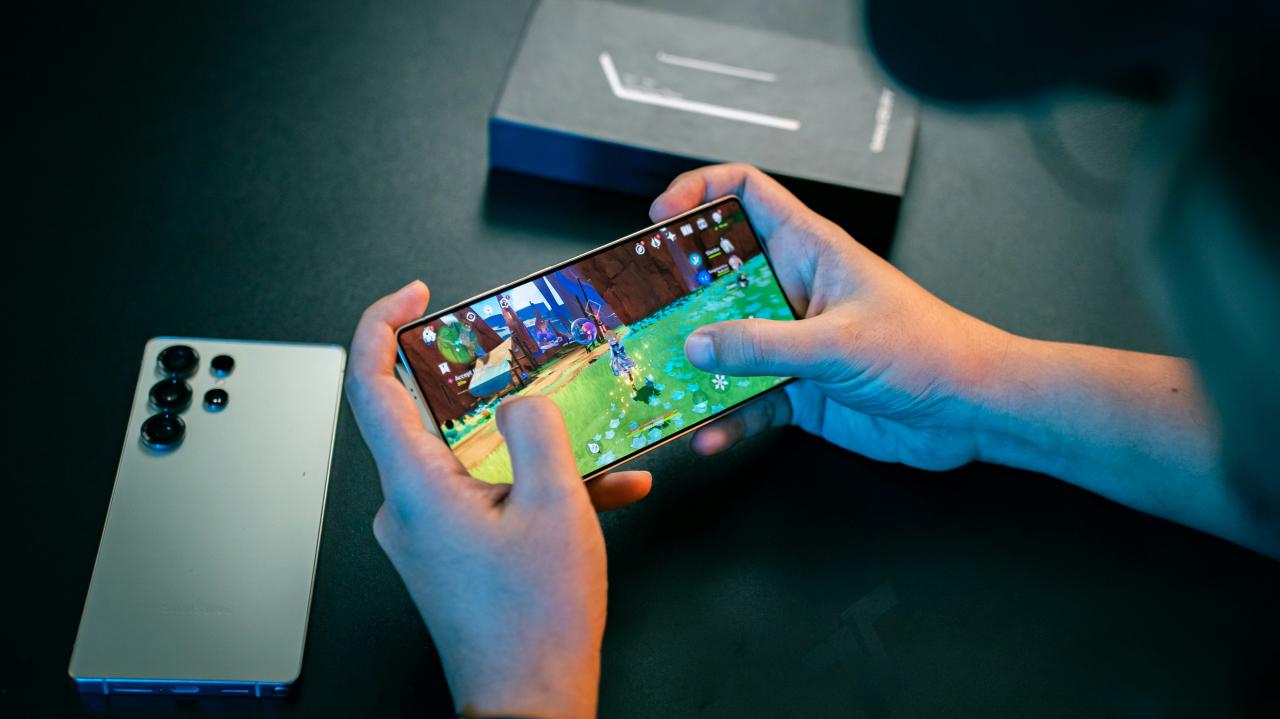
Strategic mobile orchestration creates true sovereignty by replacing lagging hardware with high-performance processing engines. Assigning missions to every technical specification helps prevent thermal throttling from dictating your mobile strategy.
This disciplined approach ensures your portable infrastructure remains an efficient and powerful competitive asset. Auditing your chipset performance and monitoring network stability allows you to reclaim operational control.
Strategic device selection ensures your handheld ecosystem acts as a fortress against technological shifts. This logical framework provides the stability needed for a high-performance lifestyle. Building for the future requires executing your hardware plans with unwavering and total confidence.
Sophisticated mobile systems transform your interactive entertainment into a permanent freedom engine. Long-term excellence starts with the structural decisions you make right now. The future of architecture is defined by the systems you build.